WHO WE ARE

Our History

YMCA: A Legacy of Christian Values and Community Service Since 1844

Our Heritage of Holistic Development

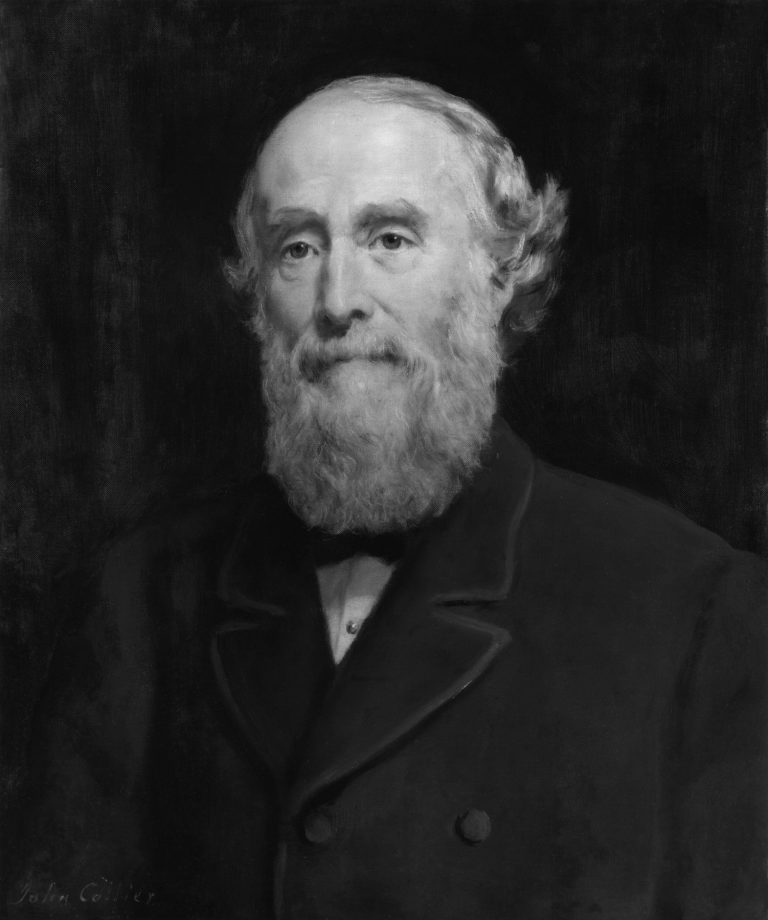
The YMCA (Young Men’s Christian Association) was founded in 1844 by Sir George Williams in London, with a mission to uphold Christian values by offering programs that nurture the development of a healthy spirit, mind, and body. From its inception, the YMCA has aimed to create a community rooted in Christian principles like love, service, and social responsibility.

Originally established as a refuge for young men facing the challenges of urban life, the YMCA has consistently focused on personal growth, spiritual enrichment, and social involvement. Over time, it has expanded to meet the evolving needs of its communities while remaining committed to its Christian heritage.

Today, the YMCA continues to deliver programs that promote holistic development, with a strong emphasis on inclusivity, compassion, and community service. We remain dedicated to our founding mission, promoting Christian values and making a lasting impact on lives worldwide.

YMCA Began With Change

The Young Men’s Christian Association is an international voluntary Christian ecumenical movement that endeavours to echo the cultural identity of the Nation in which it exists and serves.


Founded in 1844 in London, pioneered by a group of young men led by George Williams who were concerned with serving fellow young men who like themselves, came to the city during Europe’s Industrial Revolution. At the time, the youth faced many social and civic issues whereby they were exploited, overworked and brutally treated. Driven by compassion, they formed the YMCA with the aim of the “improvement of the spiritual condition of the young men engaged in houses of business.”

The Paris Basis

The Young Men’s Christian Associations seek to unite those young men who, regarding Jesus Christ as their God and Saviour, according to the Holy Scriptures, desire to be His disciples in their faith and in their life and to associate their efforts for the extension of His Kingdom amongst young men.

The YMCA of Kuala Lumpur: A Century of Service & Spirit

Together with the other founding members George Williams wasted no time in organising YMCA branches throughout England, Scotland and Ireland. Since then, the YMCA concept has spread to every continent. Today, there is a worldwide organization based in Geneva, Switzerland with more than 57 million beneficiaries from 125 national associations.

The vision of creating a truly global movement with an international headquarters was pioneered by Henry Dunant, then Secretary of YMCA Geneva who would later go on to establish the International Committee of the Red Cross and win the first Nobel Peace Prize.

Henry Dunant successfully convinced YMCA leaders to organise the first YMCA World Conference, where the Paris Basis was adopted, affirming the YMCA’s mission and purpose and created the Central International Committee what is now known as the World Alliance of YMCAs.
When It All Began

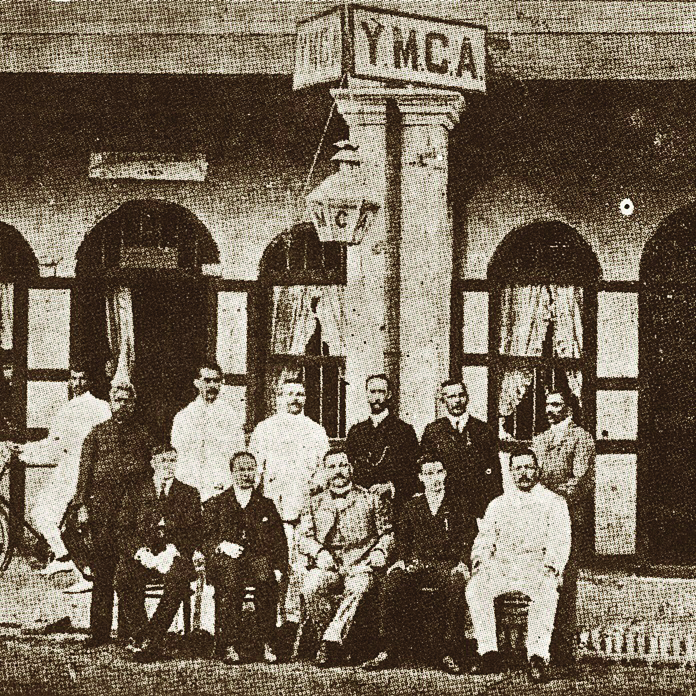
It all started on 10 August 1905, when 30 founding members had a shared vision to form a YMCA in Kuala Lumpur. Their vision came to life with the inauguration of the YMCA at a shop lot at No. 3 Wulkin Street, next to the Kuala Lumpur Railway Station on 27 October 1905 with 141 members.

From these humble beginnings, the YMCA of Kuala Lumpur began its journey guided by Christian values, committed to youth development, and dedicated to building a stronger community.

1908 - The First Directors' Meeting
1915 - Opening of the Building

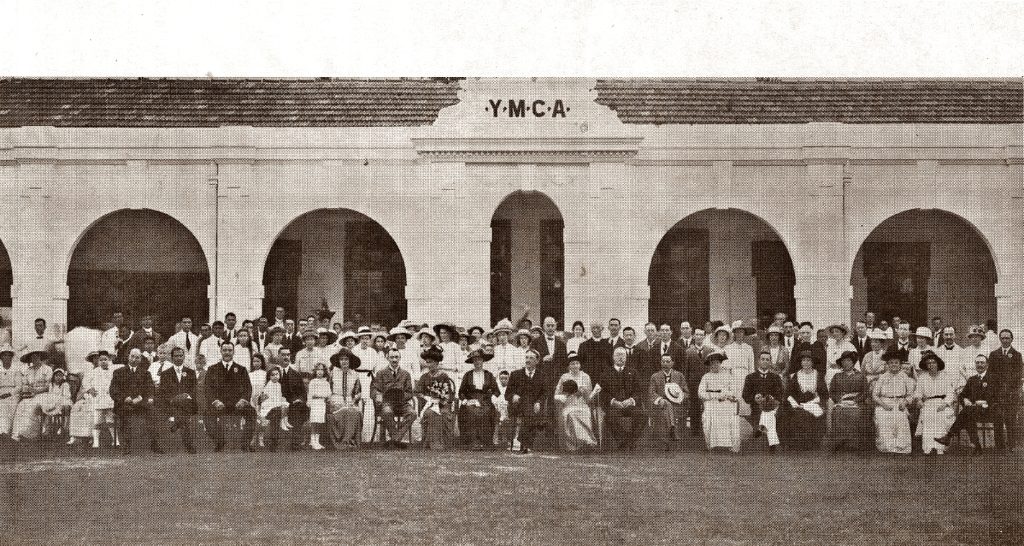
In 1908, the government granted the YMCA a piece of land in Brickfields, where a simple plank and atap building was constructed. By 1915, with a key contribution from Towkay Loke Yew and with additional generous contributions from the Honourable Mr. Eu Tong Sen and Towkay Lee Kong Lam a new building with modern facilities such as a gym, billiard room, Secretary’s office, a refreshment room, 3 spacious verandahs, toilets and servant quarters was built, marking a bold new chapter for the Association.

Throughout the decades, the YMCA adapted to challenges and changes. Even during the Japanese occupation in 1941, the YMCA remained active being allowed to run the hostel and sports activities during the early part of the occupation largely due to the efforts of a Japanese Christian, Mr. Ogawa. After the war, the building was returned by the British Army in 1946 and the YMCA was officially re-opened on 27 September 1946 by H.E. Sir Edward Gent, Governor of the Malayan. Activities were re-established on a reduced scale.

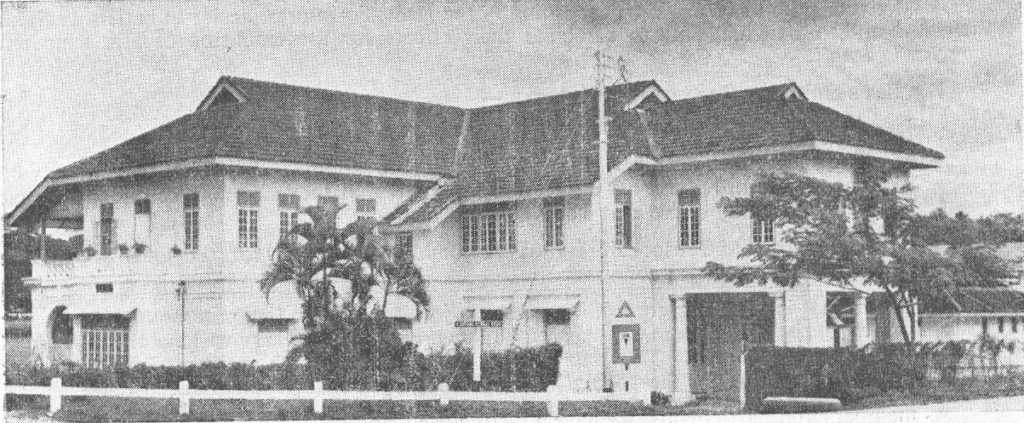
The post-war years were marked by growth and innovation. In 1951, the first YMCA Youth Club was launched. By the 1960s, a bold decision was made to demolish all existing structures and construct a new building along the then Kandang Kerbau Road (now known as Jalan Padang Belia). The foundation stone was laid by HRH Sultan Salahuddin Abdul Aziz Shah in 1966, and the new building was officially opened in 1968, thanks in large part to the dedication of Mr. T. Mori Sr. who made personal and financial sacrifices to ensure that the building was completed.

YMCA Building

The following decades saw a flurry of community-based programmes. The Deaf Club was formed in 1973, the first of its kind in Malaysia followed by the establishment of the Pusat Majudiri Y and the first Senior Citizens Club in 1984. The Association also supported the Deaf in launching Silent World Sdn Bhd, the first Deaf owned and operated laundrette.

The late Tan Yap was a dedicated volunteer who devoted much of his time in the 1990 to supporting the deaf club and community. For his tireless contributions he is fondly remembered as the ‘ father of the deaf ‘.

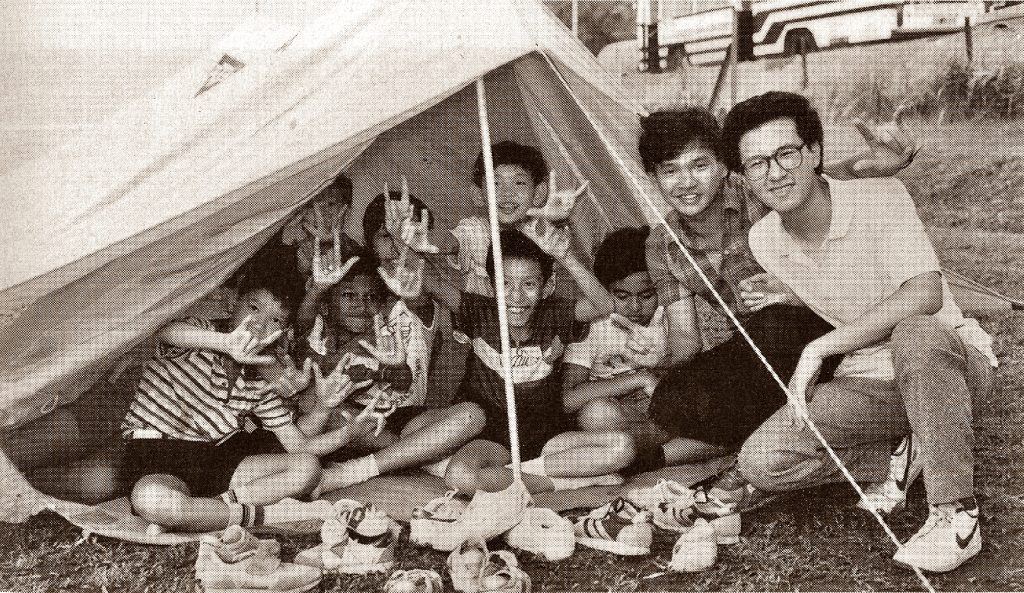
Deaf Kids Camp organised by Pusat Majudiri "Y" for the deaf

The YMCA didn’t just build programmes it built people. Leaders like Rev. Tan Chi Kiong and Mr. Yip Kok Choong went on to serve in regional YMCA leadership roles, furthering Malaysia’s presence on the Asia-Pacific stage. In 1995, YMCA KL hosted the 14th General Assembly of the Asia Alliance of YMCAs in Port Dickson and celebrated its anniversary with a dinner in Kuala Lumpur.

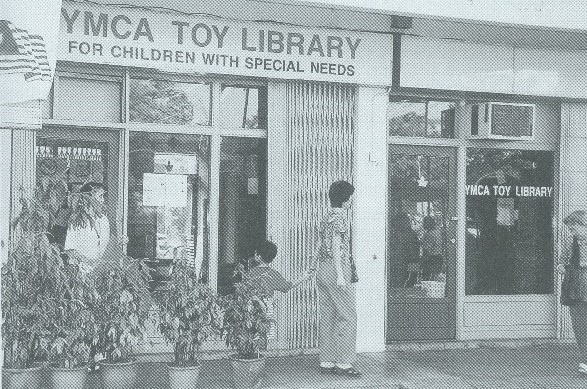
YMCA KL Toy Musuem

In 1996, the Association took another pioneering step by establishing Malaysia’s first Toy Library for children with special needs. This initiative was later adopted by SP Setia on 19 January 2001, expanding its impact even further.

Into the 2000s, the YMCA continued to evolve. The YMCA Alumni was formed, a Professional Learning Centre was introduced, and the Community Childcare Centre was launched. That same year, the Deaf Communication and Information Technology Training Centre was established with a sponsorship from the Embassy of Japan, and the Sign Language Resource Centre was made possible through sponsorship by HSBC Bank.

From its earliest days to today, YMCA KL has remained committed to uniting young people in faith, service, and community. What began as a small gathering of 30 has become a legacy of empowerment, compassion, and hope — continuing to make a difference, one life at a time.

From 2005 onwards, YMCA Kuala Lumpur continued to grow in both impact and inclusivity. Its 100th anniversary in 2005 was marked with Centenary Charity Golf event, with proceeds supporting the development of the Deaf Community Centre (Pusat Majudiri “Y”) followed by a Thanksgiving Service and Anniversary Dinner. In 2007, PMY launched DeafBeat – Malaysia’s first deaf Chinese drum troupe, empowering deaf youth through rhythm and performance. By 2011, YMCA KL was hosting vibrant community programmes such as the Community Children’s Christmas Celebration, Wishing Tree Project, Youth Sports Carnival and Holiday Basketball Camp offering meaningful engagement for families and youth, especially from the deaf community. In 2014, the R.O.A.R. (Reach Out And Restore) programme was introduced as a consolidated platform for sustainable community initiatives led by volunteers and youth.

The Association celebrated its 110th anniversary in 2015 by unveiling a new vision: “Empower, Transform, Build,” which was marked with a fundraising dinner to support future development. During the pandemic, YMCA KL swiftly adapted by offering online classes, launching YMCA Virtual Run and providing food aid and emotional support – demonstrating its continued resilience and compassion in times of crisis. In 2024, YMCA Kuala Lumpur partnered with the Humanitarian Experience Program (HXP) from the United States, through its Malaysia: Love initiative, to foster deeper inclusion by engaging volunteers with the deaf, blind and special-needs communities – reflecting the organisation’s ongoing commitment to empathy, service and love. To commemorate YMCA KL’s 120th Anniversary, a weekend-long Carnival will be held in celebration of this historic milestone, followed by a heartfelt Thanksgiving Service and a grand Anniversary Dinner.